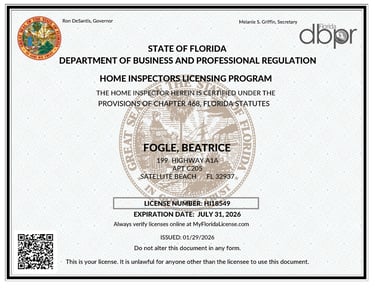
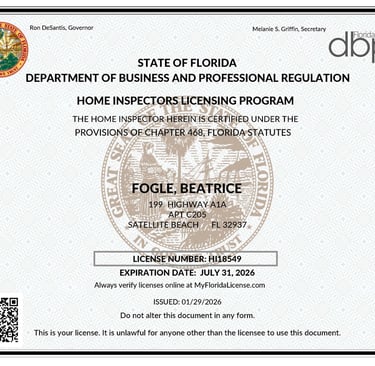
BEASQUARED HOME INSPECTION & INDEPENDENT PROPERTY ADJUSTING COMPANY
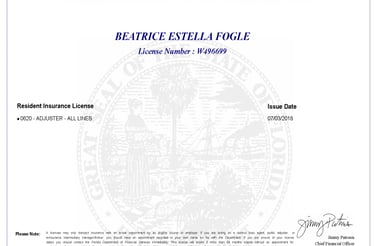
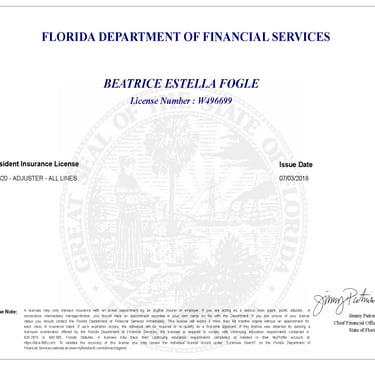
ALL LINES PROPERTY ADJUSTING
Floods, Hurricanes, Tornadoes, Fires, Earthquakes, hail, freeze, wind, Water,
Licensed in Florida, Alabama, Georgia, Louisiana, Texas, Mississippi, and all states that do not require a license: Colorado, District of Columbia, Illinois, Iowa, Kansas, Maryland, Massachusetts, Missouri, Nebraska, New Jersey, North Dakota, Ohio, Pennsylvania, South Dakota, Tennessee, Virginia, Wisconsin
Hurircane Damage
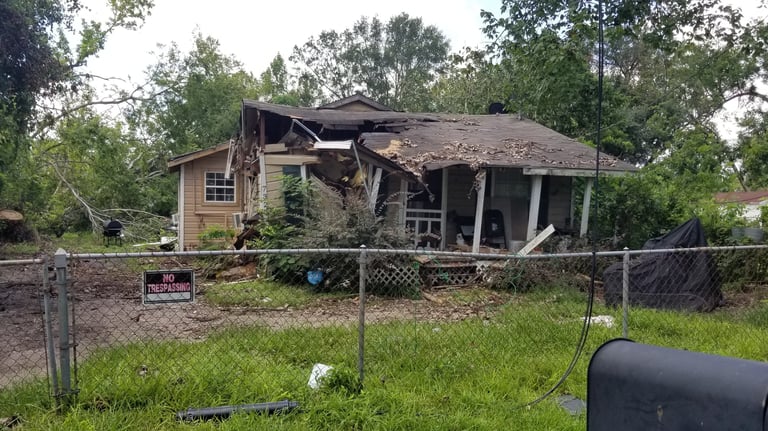
Hurricane adjusting involves inspecting properties after a storm to document wind, rain, and storm-related damage for insurance claims. Adjusters evaluate roof systems, exterior components, interior water intrusion, and personal property, while determining the cause of loss and scope of damage. Accurate documentation, photos, measurements, and policy compliance are critical to ensure the claim is handled fairly and the insured receives proper compensation
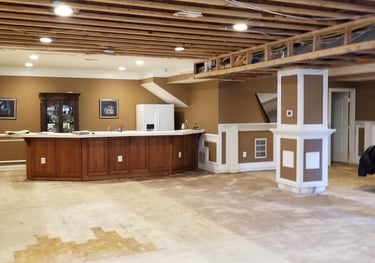
Freeze Storm causes Broken water pipes
When temperatures drop, water inside plumbing pipes can freeze and expand, causing pipes to crack or burst. As the ice thaws, broken pipes can release large volumes of water, leading to significant interior damage to walls, ceilings, floors, and personal property. Proper insulation, heat maintenance, and cold-weather precautions are critical to prevent pipe failure and costly water damage.
Hail Storm
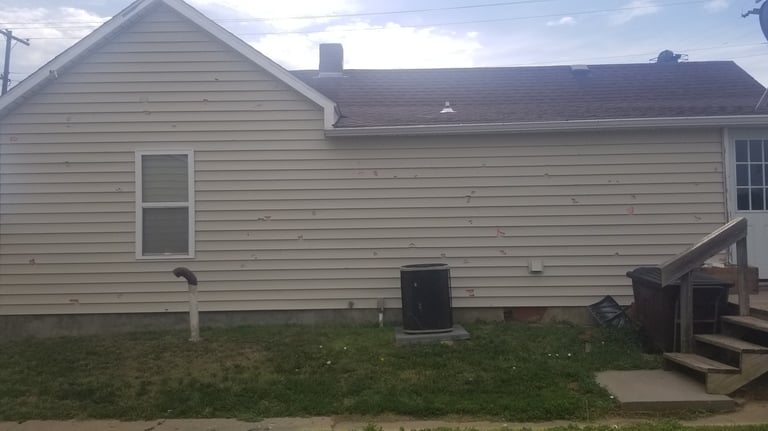
A hail storm can cause significant damage to roofing materials, siding, windows, and exterior components. During an inspection or insurance adjustment, surfaces are evaluated for impact marks, fractures, granule loss, and compromised protective coatings. Identifying hail-related damage early is important, as it can shorten the lifespan of building materials and lead to leaks or further deterioration if left unaddressed.
Flood
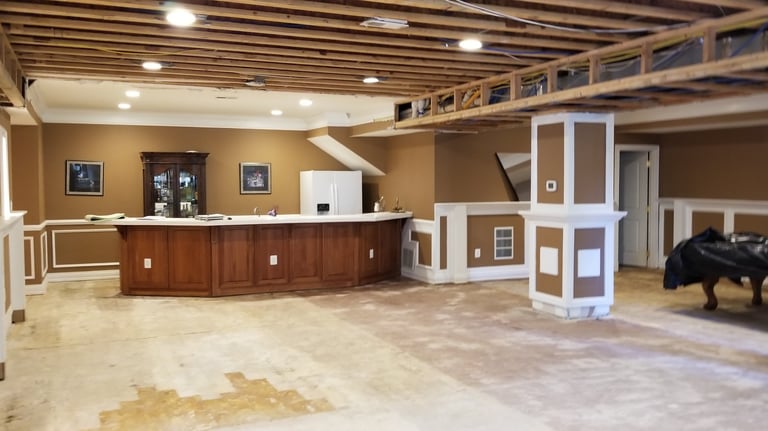
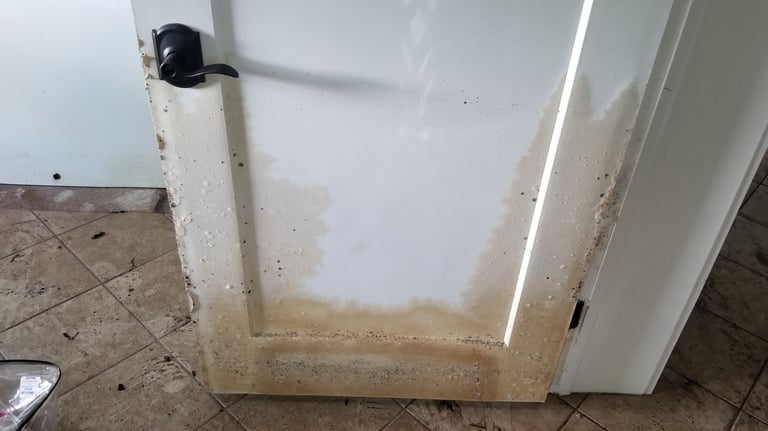
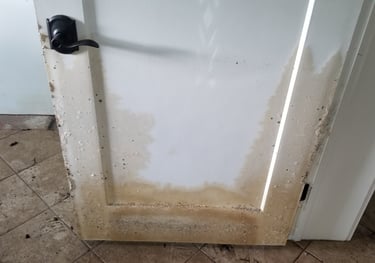
Flooding can cause extensive damage to a structure and its contents when rising water enters living areas. During an inspection or insurance adjustment, inspectors evaluate water lines, structural materials, electrical systems, HVAC components, and signs of contamination or mold growth. Proper documentation of flood damage is critical for determining the scope of loss, health concerns, and coverage under flood or property insurance policies.
Fire
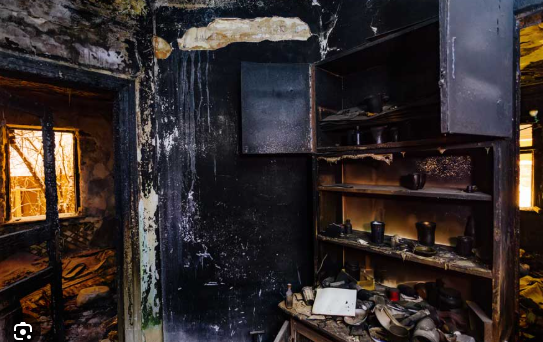
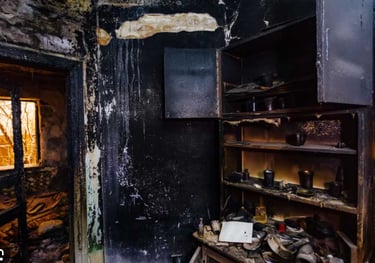
Fire damage inspections and adjusting involve evaluating the structure and contents for direct fire damage, heat exposure, and secondary damage from smoke, soot, and firefighting efforts. Inspectors assess structural components, electrical systems, HVAC, and indoor air quality concerns to determine safety and repair needs. Accurate documentation is essential to support insurance claims and ensure proper restoration of the property
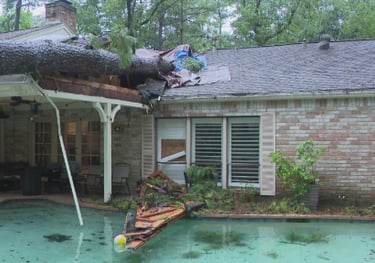
Wind
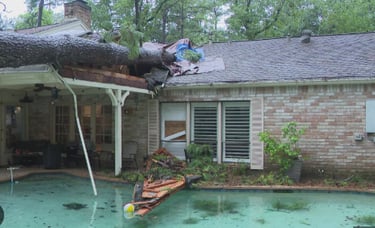
Wind damage inspections and adjusting focus on identifying damage caused by high winds, including roof covering loss, lifted or creased shingles, displaced tiles, and compromised flashing. Inspectors also evaluate siding, soffits, fascia, windows, and other exterior components for signs of wind-driven damage or water intrusion. Proper documentation helps determine the extent of damage, required repairs, and insurance coverage.